A catastrophic accident has struck the Mars outpost. Communication with Earth is completely severed. Only a handful of survivors remain.
Marsettler is a simulation where players shape the story of these survivors. Your journey becomes a narrative—a story worth sharing.
What’s in v0.0.0
- Autonomous AI: Characters find iron mines, extract ore, and haul it to the warehouse on their own
- Behavior Tree System: The architecture powering AI decision-making
- Resource Management: Mines deplete and disappear when exhausted
Run Simulation
Highlights I found impressive
- Dynamic Filters and TopK pushdown
- Async User-Defined Functions (ask_llm?!)
- Better Cancellation for Certain Long-Running Queries
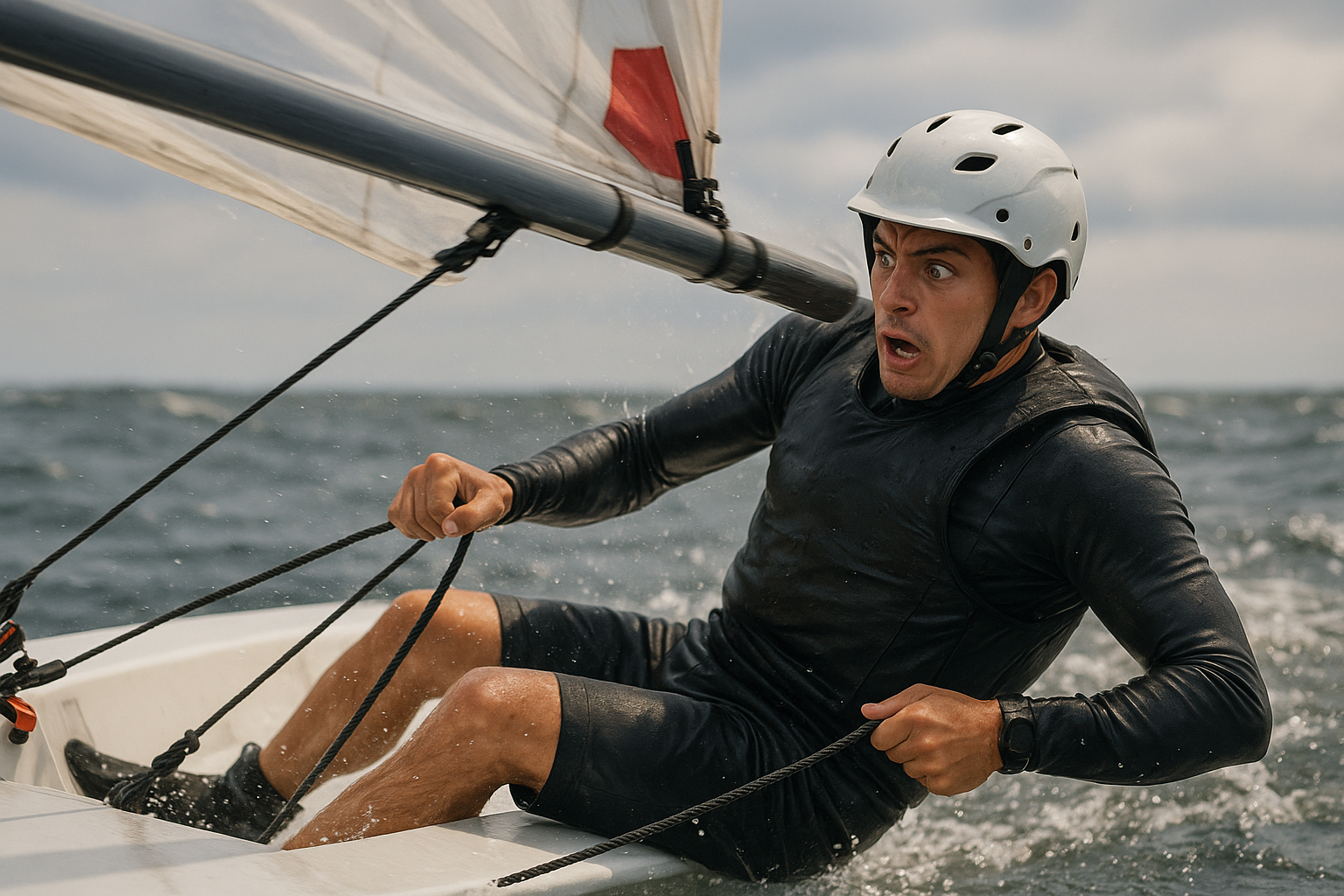
I still remember learning to sail during my days as a midshipman. One moment stands out clearly: opening the sail and feeling the wind take hold, pushing the boat forward. Unlike rowing, where every stroke relies on your own strength, sailing carried me farther than I could ever go alone, lifted and driven by the power of the wind.
But the wind wasn’t always kind. Without warning, the boom swung around and hit me on the head. I was lucky to avoid serious injury, but the impact stayed with me. That was when I first realized: if you want to harness the wind, you need a helmet.